
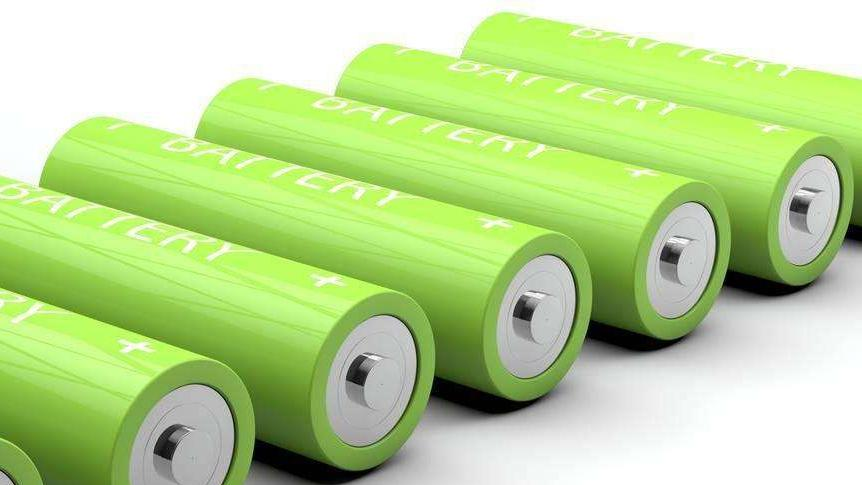
It is inevitable that lithium battery electrolyte contains a small amount of water. However, too much water in the electrolyte will reduce the performance and safety of the battery, so the dehydration technology is very important.
Lithium Electrolyte Chemical Constituents
Lithium battery electrolytes are generally made of high purity organic solvents, electrolyte lithium salts, necessary additives and other raw materials, under certain conditions and in certain proportions.
Among them, the solvent mainly plays the role of dissolving salts and transferring charges, and it is inevitable that the electrolyte contains a small amount of water. However, the water will react with the lithium salt, causing the decomposition and precipitation of the electrolyte.
So the excessive water will not only increase the internal resistance of the electrolyte, reduce the battery’s capacity and cycle life, but may also lead to serious consequences such as battery short circuit and explosion.
Lithium Electrolyte Dehydration Technologies
- Molecular sieve adsorption. When a certain amount of molecular sieve is added to the electrolyte, water molecules will be adsorbed to the molecular sieve, thereby achieving the purpose of water removal.
- Vacuum distillation. The vacuum distillation method evaporates the water molecules in the electrolyte by reducing the air pressure in the electrolyte, and then condenses the vapor into a liquid.
- Reverse osmosis dehydration. The reverse osmosis method uses high pressure to squeeze out the water molecules in the electrolyte through the semipermeable membrane to achieve the purpose of dehydration.
Different dehydration technologies have their own advantages and disadvantages. The molecular sieve method is simple to operate, but it requires frequent replacement or regeneration of the molecular sieve; the vacuum distillation method can obtain almost water-free electrolyte, but the equipment cost is high; the reverse osmosis method has the advantages of simple equipment and convenient operation, but may cause membrane fouling and membrane damage.
Molecular Sieve Solutions
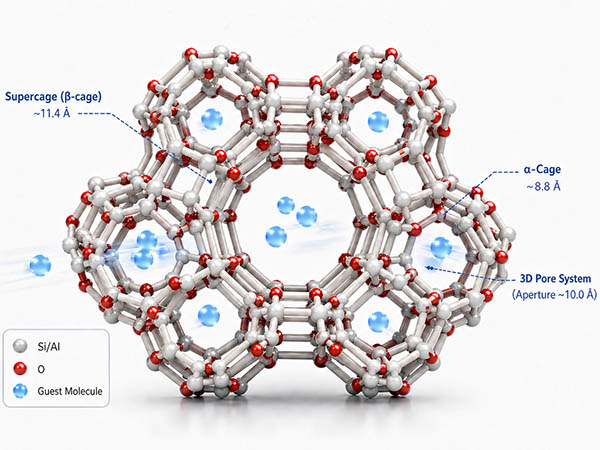
To remove water from the electrolyte, molecular sieve can be used, which is a microporous material capable of selectively adsorbing molecules of different sizes. In the electrolyte, the water molecules are smaller and therefore can be removed by selecting a suitable molecular sieve. Generally, the water content in the electrolyte solvent is relatively high. The adsorption capacity of molecular sieve is particularly outstanding in this aspect, and other methods cannot remove water perfectly in the PPM level, so molecular sieve method has become an industry practice.
In addition, the selection of molecular sieves also depends on factors such as the specific composition of the electrolyte and the process requirements. It is not simply a solvent drying problem. Therefore, comprehensive consideration and experimental verification are crucial.
SNOWPEAK specialty molecular sieve for electrolyte dehydration, refers to multiple types such as 3A, 4A, 5A and 13X etc. We can supply qualified products and related technical support according to specific electrolyte process.



 RU
RU  EN
EN  ES
ES  IT
IT  AR
AR  PT
PT  DE
DE