

Linear and branched paraffins can be separated by 5A molecular sieve.
Linear paraffins, also known as normal alkanes or n-paraffins. Branched paraffins, also called isomeric alkanes or i-paraffins.
The critical diameter of normal alkane molecules is 4.9 angstroms, while the diameters of isomeric alkanes, cycloalkanes and aromatics are greater than 5 angstroms. So we can use the steric effect of 5a molecular sieve to separate n-paraffins and i-paraffins.
Why to Separate Linear and Branched Paraffins
N-paraffins and i-paraffins are important raw materials in the petrochemical industry, and their separation is of great significance for the production of high-quality fuels and other chemical products. For example:
N-paraffins are important chemical raw materials for the production of advanced fatty alcohols, alkylbenzenes (detergent raw materials), linear alkylbenzene sulfonates, chlorinated paraffins, plasticizers, special solvents (such as n-hexane, n-heptane), protein feed additives, phase change energy storage materials. And it’s also used to produce food-grade paraffin, microcrystalline wax, etc.
I-paraffins have high octane number, low pour point, low volatility, low toxicity, excellent solubility and stability. So they are ideal for high-quality solvent oils, high-grade lubricant base oil components, high-octane gasoline blending components, jet fuel components, metalworking fluid base oils, personal care product base oils, etc.
How to Separate Linear and Branched Paraffins
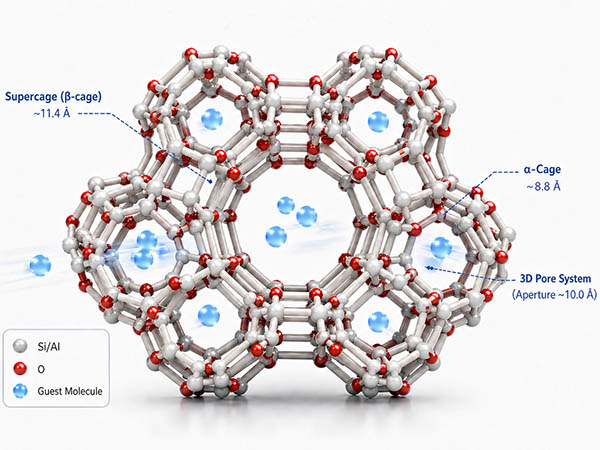
When paraffin molecules enter the molecular sieves, they can be separated by the screening effect of the molecular sieve micropores.
As the sizes and shapes of the paraffin molecules are different, their diffusion rates in the molecular sieve also differ. Generally, longer chain molecules or molecules with a higher degree of branching have a slower diffusion rate.
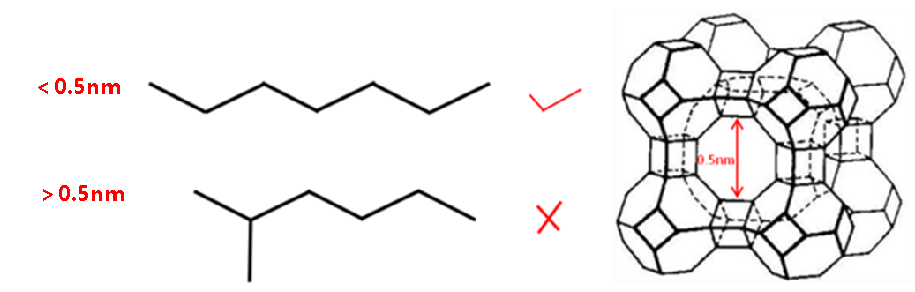
Normal alkanes (such as n-butane and n-hexane) have linear structures and are smaller and thinner in size, so they can enter the pores of the 5A molecular sieve. isomeric alkanes (such as isobutane and isohexane) have branched structures, larger molecular volumes or irregular shapes, and cannot enter the pores of the 5A molecular sieve.
Therefore, normal alkanes are adsorbed by the 5A molecular sieves; isomeric alkanes cannot enter the pores and remain in the gas or liquid phase.
Molecular Sieve for Separating Linear and Branched Paraffins
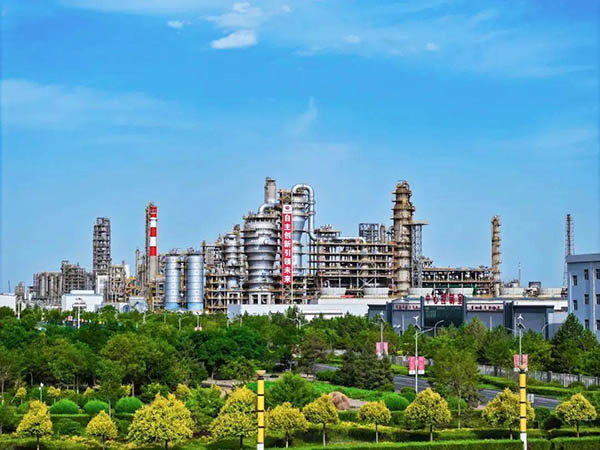
SNOWPEAK type 5A molecular sieves are self-developed products, specially for the separation of linear and branched paraffins. And now, they have been used in naphtha, to improve the octane number (anti-knock property) of straight-run gasoline, and the separated normal alkanes can be used as raw materials for producing solvent oil, cracking to produce ethylene and hydrogenation isomerization, thereby increasing the comprehensive utilization rate of naphtha.
SNOWPEAK type 5A molecular sieves have also been applied in oil dewaxing. After oil dewaxing, petroleum wax (vaseline) can be obtained, and the freezing point of oil products (diesel, lubricating oil, etc.) is reduced, and aviation kerosene with low freezing point, high specific gravity and wide fraction can also be produced.



 RU
RU  EN
EN  ES
ES  IT
IT  AR
AR  PT
PT  DE
DE